Publish Time: 2024-08-28 Origin: Site
Silicone foam is produced by expanding a formulated silicone elastomer and curing it into a cellular structure. Foam density, cell structure, and compression recovery depend on the formulation and processing conditions. The finished material can be converted into sheets, rolls, gaskets, or shaped pads.
Inconsistent mixing or cure timing can cause collapsed cells and uneven thickness.
Control the formulation, gas formation, expansion, and curing stages as one process.
Different silicone systems require different cure temperatures and foaming methods. A typical production sequence includes:
Material selection: Choose the silicone base, curing chemistry, additives, and target density.
Mixing: Disperse ingredients evenly while controlling premature curing.
Foaming: Generate cells through a chemical blowing reaction, introduced gas, or another validated route.
Formation and curing: Expand in a mold or continuous process, then stabilize the cellular structure.
Cutting: Convert cured foam by die cutting, slicing, or other suitable methods.
Inspection: Check dimensions, cell consistency, and specified physical properties.
Silicone Foam Manufacturing Flow
Illustration 1: conceptual process sequence; equipment and cure conditions vary by formulation.
Incorrect gas evolution or cure speed can produce irregular cells and weak foam.
Match the blowing mechanism and curing system to the required cell structure.
Some formulations release gas during a chemical reaction; others use introduced gas or physical expansion. RTV and heat-cured systems are both possible, but neither represents every silicone foam. Cell size and open- or closed-cell content depend on chemistry and processing.
Conceptual Silicone Foam Cell Structures
Closed-Cell
Predominantly enclosed gas pockets
Open-Cell
Interconnected pore pathways
Illustration 2: simplified cellular structures, not microscopy or measured porosity.
Undetected density variation or permanent compression can cause gasket leakage and assembly problems.
Verify each foam grade against the finished part's measurable requirements.
Common checks include density, thickness, compression set, tensile properties, and visual cell defects. Use the customer-specified test edition and agreed acceptance limits; test methods are not interchangeable.
| Stage | Control | Potential Defect |
|---|---|---|
| Mixing | Ingredient distribution | Uneven cure |
| Foaming | Gas expansion and density | Collapsed or coarse cells |
| Curing | Time and temperature | Unstable dimensions |
| Finished part | Thickness and compression set | Poor sealing recovery |
For material selection support, send the part drawing, thickness, target density, compression requirements, and temperature range. Explore silicone foam products.
An unsuitable foam grade can lose sealing force, absorb moisture, or fail application-specific safety requirements.
Choose silicone foam based on the actual mechanical, environmental, and regulatory conditions.
Applications include automotive enclosure gaskets, aerospace cushioning, consumer pads, and construction seals. Medical-contact uses require grade-specific biocompatibility evidence; flame performance must also be tested for the finished formulation.
Automotive: Sealing, cushioning, and vibration isolation.
Aerospace: Lightweight cushioning where qualification permits.
Medical: Selected certified or qualified contact applications.
Consumer and construction: Pads, insulation, and enclosure seals.
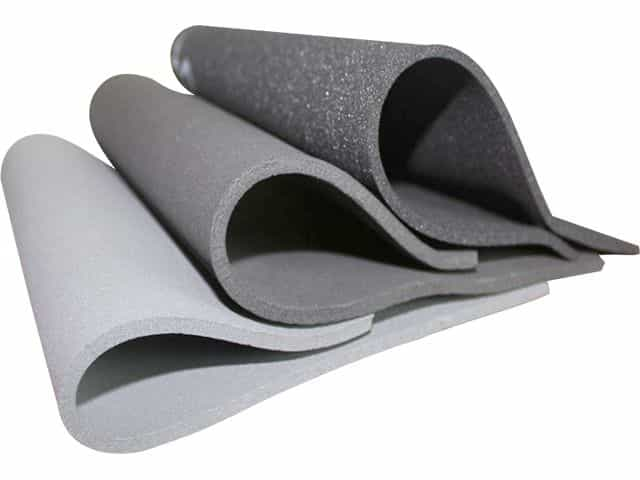
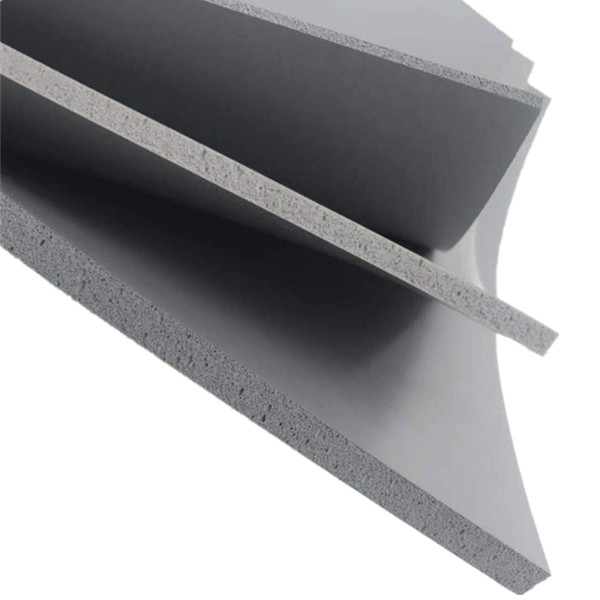
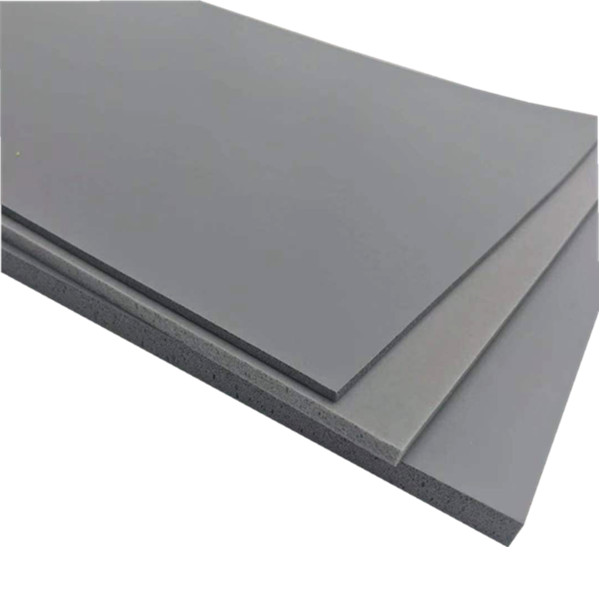
Original material photos: foam rolls, foam profile, and foam sheets.
Is silicone foam always closed-cell?
No. Silicone foam can be open-cell, closed-cell, or mixed, depending on the manufacturing route.
Does silicone foam always require high-pressure nitrogen?
No. Chemical gas generation and other physical foaming methods are also used.
What determines silicone foam density?
Formulation, gas generation, expansion, and cure timing all influence density.
Is silicone foam automatically fire-resistant?
No. Flame performance depends on the tested formulation and specified requirement.
Silicone foam quality starts with controlled formulation, cell formation, and curing. Send your drawing, operating conditions, and required physical properties for a material selection review or quote request through the product range.
Rubber and Silicone Foam Material Experience
Rubber foam projects require coordinated material selection, manufacturing controls, and quality inspection. Technical validation should follow customer drawings, application testing, and agreed specifications rather than unsupported performance claims.