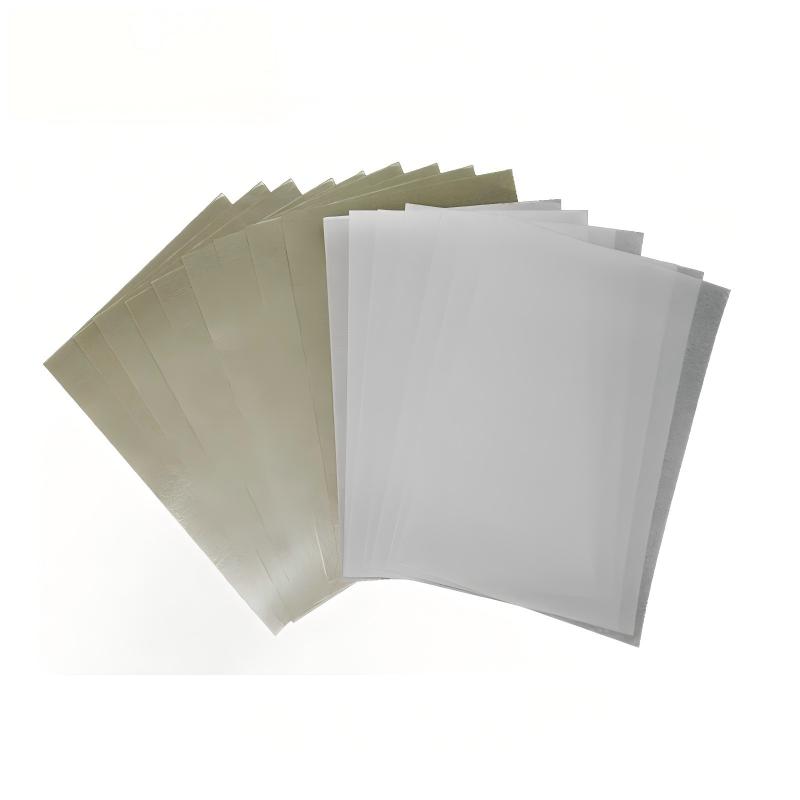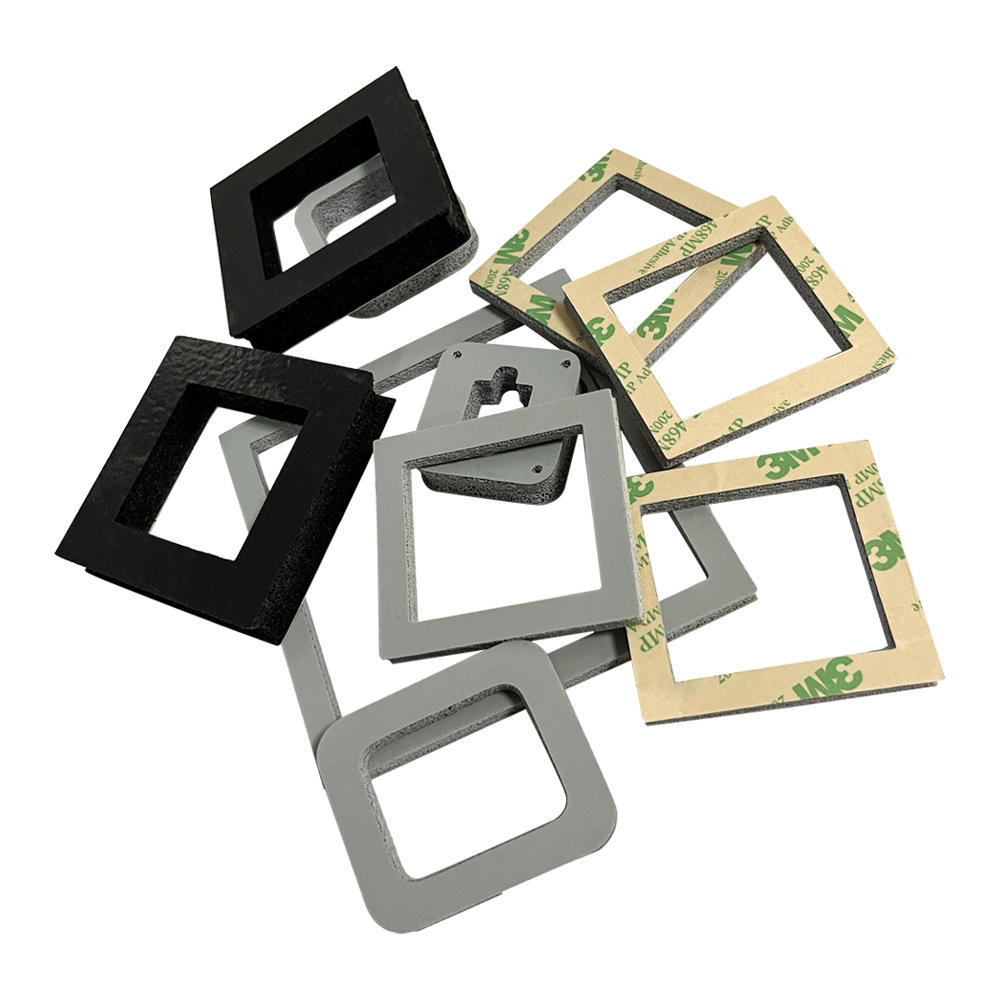
2026-07-31 Choosing the wrong battery pack gasket can allow water, dust, coolant, and road salt to enter the enclosure, causing corrosion, high-voltage isolation faults, vehicle shutdown, or costly recalls. EPDM is generally the practical choice for water, weather, ozone, and glycol-coolant exposure, while silicone rubber is preferred when wider temperature resistance and long-term elasticity are critical. The final material must still be selected from the actual pack temperature, fluid exposure, compression, fire requirement, and enclosure design.
Read More 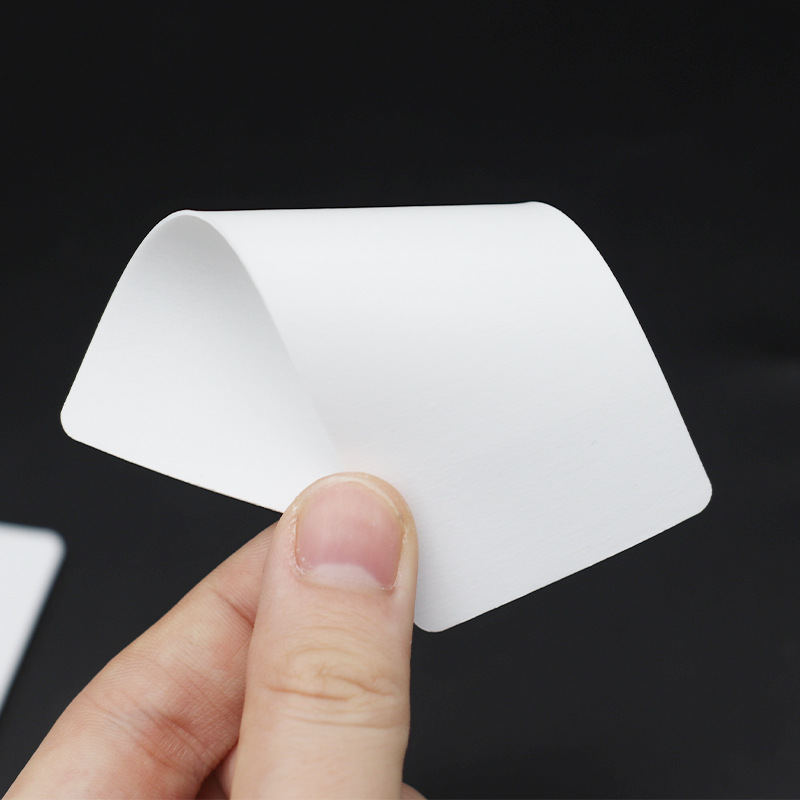
2026-07-26 When one EV battery cell enters thermal runaway, heat can spread to neighboring cells and turn a localized failure into a module-level fire. The most effective passive solution is to place a validated aerogel insulation pad between adjacent cells or other critical heat-transfer paths. Aerogel provides high thermal resistance with relatively little thickness, making it attractive for compact, energy-dense EV battery modules.
Read More 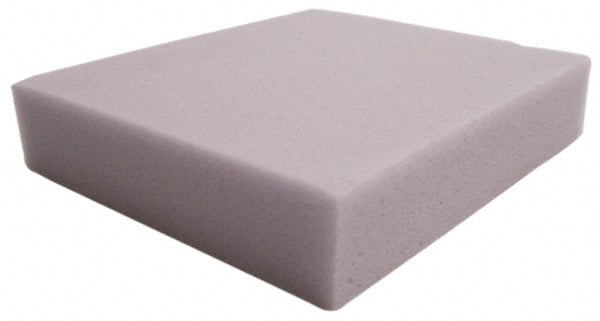
2026-07-18 Using the wrong foam inside an EV battery pack can increase heat transfer, absorb moisture, damage high-voltage components, and eventually cause electrical faults, customer complaints, or vehicle recalls.
Read More 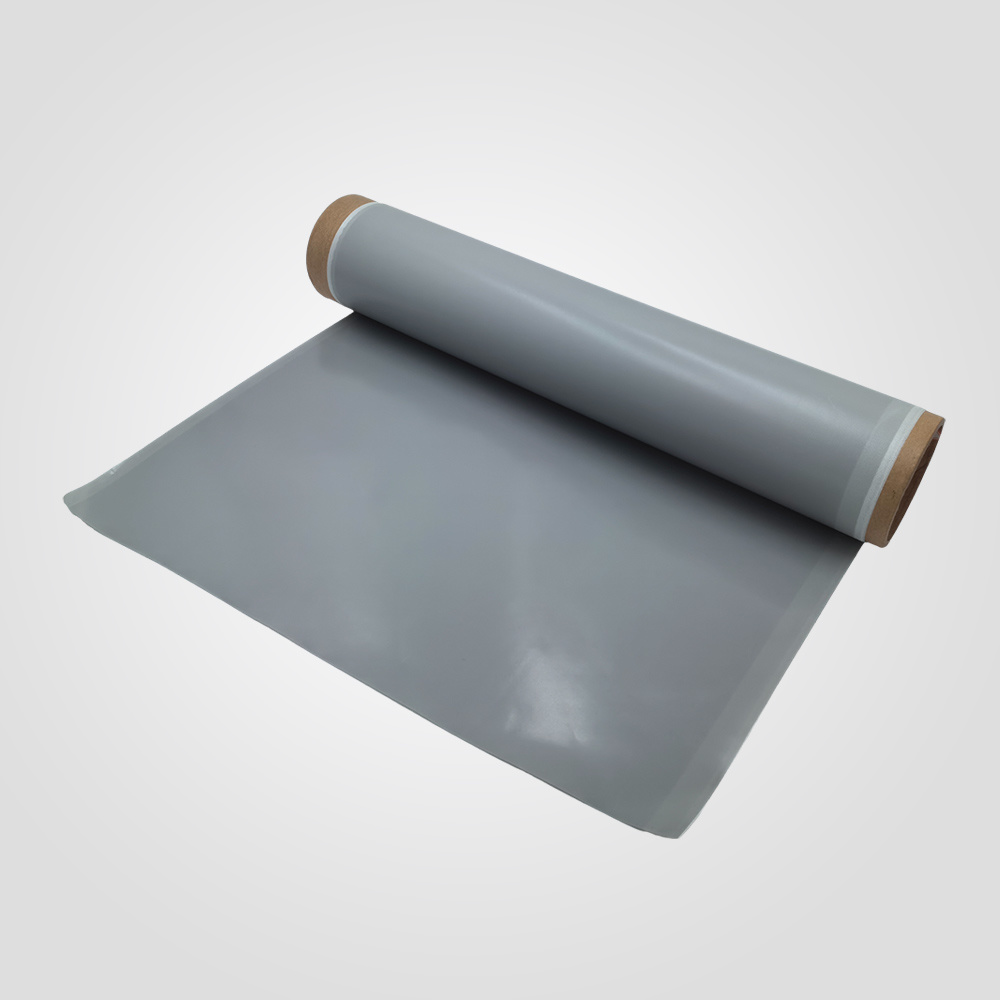
2026-06-05 This technical report explores why UL94 V-0 rated insulation ceramic foam has become the definitive safety standard for electric vehicle (EV) battery enclosures compared to conventional polyurethane and elastomeric foams. It breaks down the material science behind thermal runaway suppression, provides a comparative flammability matrix, and details critical engineering protocols—such as managing compression deflection and cable clearance—to prevent premature material failure. Backed by 15 years of Tier-1 manufacturing experience at fuqiang, the article serves as an engineering blueprint for protecting high-voltage automotive architectures.
Read More 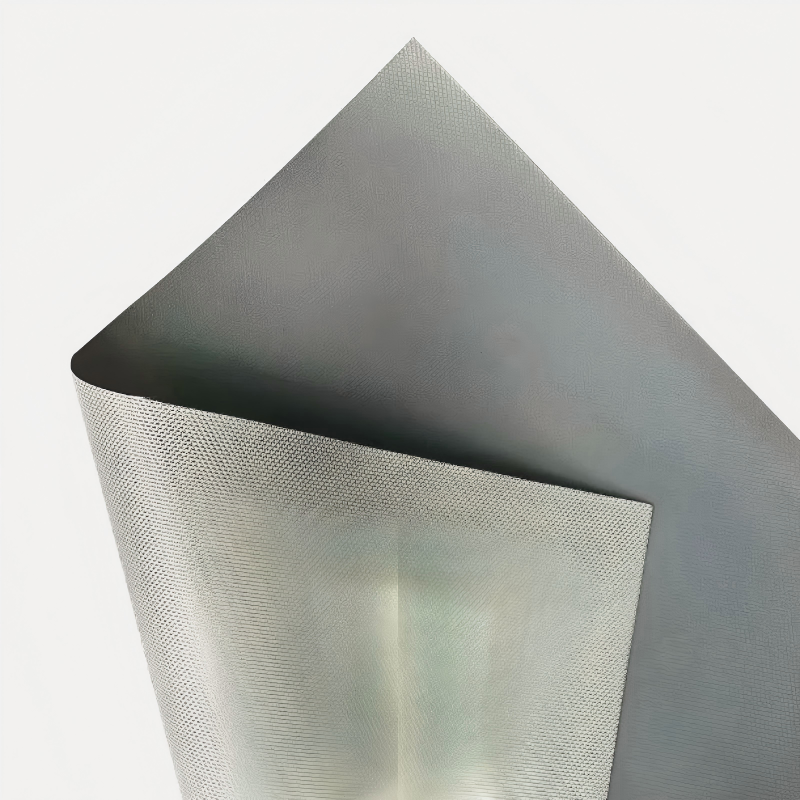
2026-06-11 This technical report addresses a critical safety challenge in electric vehicles: mitigating catastrophic battery thermal runaway. It analyzes why conventional polyurethane or plastic cell spacers fail under extreme heat, leading to structural collapse and fire propagation. The report presents high-performance ceramic silicone foam sheets as the definitive engineering solution. When temperatures exceed 1000°C, this advanced elastomer undergoes an endothermic, ceramifiable chemistry transformation, turning into a rigid, non-conductive ceramic shield. Supported by a comparative data matrix against standard PU foams and traditional aerogels, the document demonstrates how ceramic silicone maintains physical integrity, handles cell swelling via compression elasticity, and blocks high-pressure toxic gases. Validated by UL 94 V-0 flammability metrics and SAE international automotive safety guidelines, this material ensures strict compliance and passenger safety in next-generation EV battery p
Read More 
2026-06-18 This technical report addresses the critical distinction between single-phase technical ceramics and engineered multi-phase composite materials within high-voltage automotive applications. It highlights how misclassifying these materials leads to brittle cracking under vehicle chassis vibration, resulting in wire harness shorts. The document delivers a comprehensive comparative analysis of material properties, structural phase differences, and failure modes. Furthermore, it showcases the application of Ceramic Silicone Composite Tape as an advanced solution for EV battery packs, detailing how its automated ceramization process creates an impenetrable thermal shield exceeding 1000°C to halt cell-to-cell fire cascading.
Read More