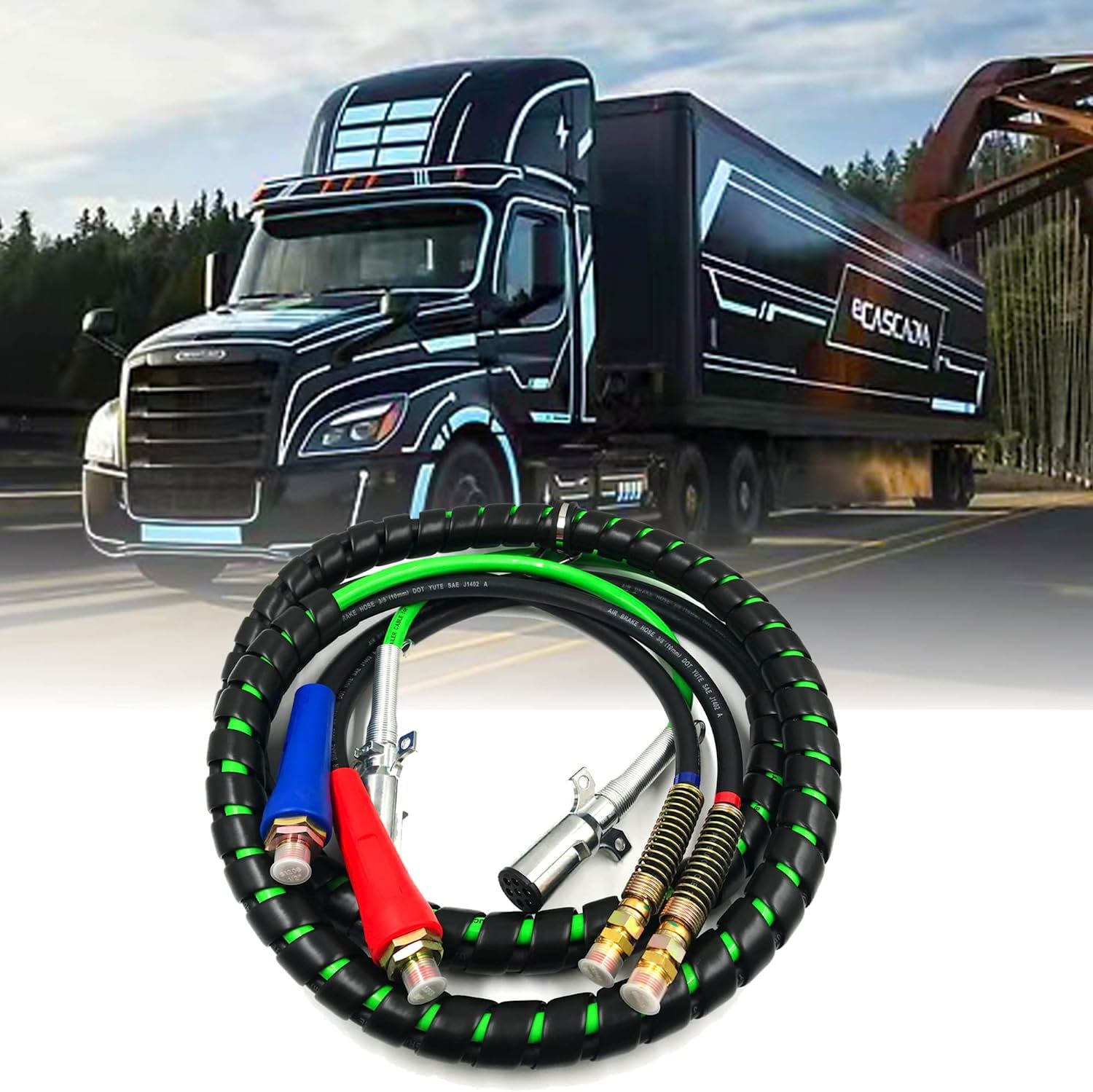
Which Trailer Wiring Harness Type Do You Need?
Trailer wiring harness types differ by circuit count, plug geometry, and regional wiring conventions. An incorrect match can disable trailer lighting or electric brakes. Select the harness by verified functions, not the trailer's size alone.
Why Do Trailer Wiring Harness Types Vary?
A plug with too few usable circuits can leave essential trailer functions disconnected.
List the required lighting, braking, and auxiliary circuits before selecting a connector.
Utility trailers, campers, and commercial equipment have different electrical needs. Demand spans recreational and working trailers, but the original market-size forecast has no verifiable source. See the trailer harness product range for product inquiries.
What Are the Differences Between 2-Pole, 4-Way, 6-Way, 7-Way, and 12-Pin Harnesses?
Assuming that additional pins always serve the same functions can cause incorrect connections.
Confirm connector style, region, and terminal function against both mating diagrams.
A North American 4-way flat combines stop and turn signals on its left and right circuits. Six-way and seven-way connectors can add brake control and auxiliary power. Twelve-pin flat systems are used for extra accessory circuits in some markets, including Australia.
Typical trailer connector functions, subject to regional pinout | Type | Typical Use | Selection Note |
| 2-pole | Dedicated auxiliary connection | Insufficient for complete road lighting |
| 4-way flat | Basic combined stop/turn and tail lamps | Check vehicle converter needs |
| 6-way | Lighting plus added circuits | Verify brake and auxiliary pin positions |
| 7-way | Lighting, brakes, reverse, or power | RV blade and round pin differ |
| 12-pin flat | Additional caravan accessories | Check regional socket layout |
Typical North American 4-Way Flat Functions
Lead
Illustrative circuit
Function
Brown
Tail / marker
Yellow
Left stop / turn
Green
Right stop / turn
White
Ground
Illustration 1: common circuit functions, not a connector-face pinout.
Compare CURT's connector diagrams with the actual equipment. For a connector review, send both pinout drawings and the required circuit list.
How Do You Choose a Compatible Trailer Wiring Harness?
A matching plug shape does not guarantee correct signals, current capacity, or protection.
Check vehicle electronics, connector keying, wire size, circuit loads, and exposure before buying.
Some tow vehicles need a dedicated T-harness or powered lighting converter. Check trailer brake-controller requirements separately. Moisture protection, abrasion-resistant routing, and suitable strain relief matter more than unverified claims of universal durability.
Compatibility: Match the exact vehicle socket and trailer plug.
Function: Check stop, turn, tail, reverse, brake, and auxiliary circuits.
Installation: Confirm module, fuse, grounding, and routing requirements.
Cost: Compare the complete approved installation, not plug price alone.
Trailer Harness Selection Path
1. Circuits List required functions
2. Interface Match regional pinout
3. Loads Size wires and protection
4. Validate Test fitted functions
Illustration 2: engineering selection workflow, not a wiring schematic.
Narva's regional comparison explains Australian 7-pin and 12-pin applications. For drawing review or a quote, provide plug style, pinout, conductor lengths, currents, and operating conditions.
How Should You Verify a Trailer Harness After Installation?
Untested wiring can leave the trailer without working lamps or brakes.
Test every required function at the trailer after securing the harness and confirming its ground.
Inspect connector seating, cable abrasion points, and fuse protection. Confirm tail lamps, individual indicators, stop lamps, and any reverse or auxiliary circuits. Electric brakes require their own functional check, not just a lighting test.
FAQ
Does a 4-pin trailer connector have a separate brake-light wire?
Not in the common North American 4-way flat arrangement; stop and turn signals share left and right circuits.
Is a 2-pin plug enough for a road trailer?
No. Two circuits alone cannot cover the usual lighting and ground requirements.
Are all 7-pin trailer connectors interchangeable?
No. Blade, round-pin, and regional configurations may differ in layout and functions.
When is a 12-pin trailer harness useful?
It can provide extra accessory circuits on compatible caravan and trailer systems, particularly in Australia.
Conclusion
Choose trailer wiring harness types by required circuits, verified pinout, electrical load, and installation environment. Send the vehicle/trailer drawings and load schedule for an engineering evaluation or quote request.
Original article image reference (confirm product relevance before reuse). Explore trailer wiring harness products.
15 Years of Automotive Wire Harness Industry Experience
Our 15 Years of Automotive Wire Harness Industry Experience informs harness design, material selection, manufacturing, and quality control. Customer projects require technical validation against approved drawings, electrical loads, and inspection criteria.